Metal furniture and fixtures bring together strength, functionality, and modern design. However, standard factory-made products may not always match specific interior requirements or personal preferences. This is where Custom Iron Works Swaroop Nagar offers a practical solution. It allows homeowners, businesses, and interior designers to create furniture and fixtures that suit their spaces, styles, and functional needs.
From elegant iron beds and decorative gates to dining tables, railings, and storage units, skilled metalwork transforms ordinary metal into distinctive designs. Every project involves thoughtful planning, material selection, precise fabrication, and finishing to achieve a durable and visually appealing result.
Understanding the Customer’s Design Requirements
Every custom metal furniture project begins with understanding what the customer wants. Different spaces require different furniture styles, dimensions, and functional features. For example, a homeowner may need a compact iron bookshelf for a small living room. Meanwhile, a restaurant owner might want industrial-style tables and chairs that complement the overall interior theme.
Custom ironwork Steel Fabricator Tilak Nagar Kanpur, considers several factors during the initial discussion:
- Available floor space and furniture dimensions.
- Preferred design, shape, and overall appearance.
- Intended purpose and expected usage.
- Interior decoration and existing furniture styles.
- Budget and material preferences.
This initial planning helps establish a clear direction for the project and reduces the possibility of design mismatches later.
Selecting the Right Metal for Every Project
Material selection plays an important role in determining the strength, appearance, and lifespan of custom furniture. Different metals offer different properties, making it important to choose the right option for each application.
Iron and steel are popular choices because of their strength, durability, and versatility. They can support heavy loads and accommodate different fabrication techniques.
Common material considerations include:
- Mild Steel: Suitable for furniture frames, tables, chairs, shelves, and decorative structures.
- Stainless Steel: Offers corrosion resistance and a clean, contemporary appearance. It works well for modern fixtures and selected indoor and outdoor applications.
- Wrought Iron: Known for its decorative appearance and ability to create curved patterns, ornamental details, and traditional designs.
- Cast Iron: Often used for decorative components and furniture elements that require substantial weight and distinctive detailing.
The final material depends on the design, location, environmental exposure, and intended use.
Creating Custom Designs and Measurements
Unlike ready-made furniture, custom products can be developed around specific measurements and creative requirements. Designers may prepare hand-drawn sketches or digital layouts before fabrication begins. These designs help customers understand the proposed appearance and allow adjustments before production.
For instance, a custom iron dining table can feature a rectangular, circular, or uniquely shaped frame. Its legs may have geometric patterns, curved structures, or minimalist detailing. Similarly, metal wall shelves can be designed to fit unusual corners or limited spaces. This flexibility makes custom metal furniture useful for residential properties, offices, restaurants, retail stores, and commercial interiors.
Cutting, Bending, and Shaping Metal
Once the design receives approval, the fabrication process begins. Metal sheets, pipes, rods, and structural sections are measured and prepared according to the required specifications.
Metal Fabricator in Lajpat Nagar Kanpur use different techniques to achieve the desired shapes and dimensions.
- Metal Cutting: Removes unwanted sections and prepares individual components.
- Bending: Creates curved structures, rounded edges, and angled designs.
- Rolling: Produces circular or cylindrical metal shapes.
- Drilling: Creates holes for fasteners, fittings, and assembly requirements.
- Shaping: Converts raw metal into decorative or functional components.
Accurate measurements are essential throughout this stage. Even small dimensional errors can affect the alignment, stability, and overall appearance of the finished furniture.
Welding and Assembling Individual Components
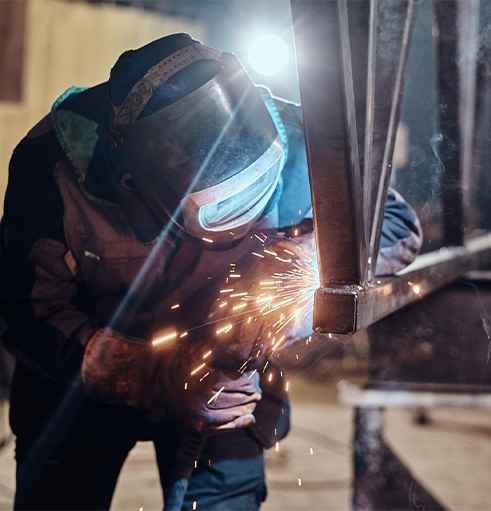
Welding connects separate metal components to create a complete structure. It is particularly important for furniture that needs to withstand regular use and considerable weight. Depending on the material and project requirements, fabricators may use MIG welding, TIG welding, or other suitable welding techniques.
For example, an iron dining table requires properly joined legs, support structures, and a stable tabletop frame. Similarly, metal chairs need carefully positioned joints to maintain balance and comfort. After welding, technicians inspect the joints and remove rough edges. They also check alignment and structural stability before moving to the finishing stage.
Adding Decorative Details and Unique Patterns
Custom Iron Works Swaroop Nagar is not limited to basic metal frames. Decorative elements can turn functional furniture into distinctive interior features. Artisans can incorporate different patterns and detailing techniques to achieve a particular visual style.
Popular decorative elements include:
- Geometric patterns for contemporary interiors.
- Floral motifs for traditional furniture.
- Curved metalwork for elegant decorative pieces.
- Minimalist lines for modern homes and offices.
- Industrial-style frames for cafes and commercial spaces.
These details help create furniture that reflects individual preferences. They also allow customers to coordinate furniture with existing architectural elements, lighting fixtures, and interior decorations.
Surface Treatment and Protective Finishing
Metal furniture needs proper surface treatment to improve its appearance and protect it from environmental damage. Finishing also gives the final product a polished and professionally completed look.
Common finishing methods include:
- Powder Coating: This process applies a protective powder finish to metal surfaces. It provides a uniform appearance and helps improve resistance to scratches and corrosion.
- Painting: Metal-specific paints offer different colours and finishes. Customers can select matte, glossy, textured, or metallic appearances.
- Polishing: This technique improves surface smoothness and creates a refined finish, particularly for suitable stainless-steel products.
- Anti-Rust Treatment: Primers and protective coatings help reduce corrosion, especially when metal furniture faces moisture or outdoor exposure.
The appropriate finishing method depends on the metal type, intended location, maintenance requirements, and desired appearance.
Quality Inspection and Final Installation
Before delivery, custom metal furniture should undergo a final quality inspection. This step ensures that the product meets the agreed design and functional requirements.
Fabricators generally examine:
- Structural strength and stability.
- Welding quality and joint alignment.
- Accuracy of dimensions.
- Surface finishing and paint consistency.
- Sharp edges and potentially unsafe projections.
- Overall appearance and functionality.
Some fixtures, including gates, railings, partitions, and wall-mounted structures, may also require professional installation. Proper fitting ensures that these products remain secure and perform as intended.
Why Choose Custom Metal Furniture and Fixtures?
Architectural Metalwork Civil Lines Kanpur offers several advantages over standard, ready-made alternatives.
- Better Space Utilisation: Products can be manufactured according to exact measurements, making them suitable for compact and irregular spaces.
- Design Freedom: Customers can select shapes, patterns, finishes, and dimensions according to their preferences.
- Long-Term Durability: Properly fabricated and maintained metal furniture can withstand regular use for many years.
- Functional Versatility: Metal works for multiple applications, including beds, tables, chairs, storage racks, railings, partitions, and decorative fixtures.
- Distinctive Appearance: Custom fabrication creates designs that may not be available in conventional furniture collections.
These advantages make custom metalwork a valuable option for people looking to combine practical functionality with individual design preferences.
Final Words
Custom Iron Works Swaroop Nagar brings creativity and engineering together to produce distinctive metal furniture and fixtures. From understanding individual requirements and selecting suitable materials to precision fabrication, decorative detailing, and protective finishing, every stage contributes to the final result. Whether you need contemporary furniture, traditional decorative pieces, or functional metal fixtures, custom fabrication offers greater flexibility in design, dimensions, and finishing.
If you are exploring thoughtfully designed furniture and fixtures for your home or commercial space, visit Navnirman’s collection. Explore the available products and discover options that can complement your space while balancing functionality, aesthetics, and quality.