Complex metalwork requires more than cutting, bending, and joining metal. It demands accurate planning, suitable materials, skilled workmanship, and careful quality control. From industrial components to architectural structures, every project can have different dimensions, tolerances, load requirements, and finishing expectations. This is where custom metal fabrication becomes important. Custom Metal Fabrication Kanpur allows businesses to develop metal components around specific project requirements instead of relying on standard products.
In Kanpur, industries and commercial projects increasingly require fabrication solutions that can handle unique designs, demanding specifications, and different metal types. Understanding how fabricators approach these requirements helps businesses plan projects with greater confidence and fewer production challenges.
Understanding Complex Metalwork Requirements
Every fabrication project begins with understanding what needs to be produced. Complex projects may involve unusual dimensions, intricate shapes, tight tolerances, heavy loads, or multiple fabrication processes.
A professional fabricator first reviews the drawings, specifications, application, and expected performance of the finished component. This initial assessment helps identify potential manufacturing challenges before production begins.
The fabricator may also evaluate:
- Required material type and thickness
- Component dimensions
- Design complexity
- Structural requirements
- Surface finish
- Required tolerances
- Production quantity
- Installation requirements
- Expected operating conditions
This detailed assessment creates a practical foundation for the entire fabrication process.
Selecting the Right Metal
Material selection can significantly influence the performance, durability, and appearance of a fabricated component. Different applications require different metals based on their mechanical and environmental requirements.
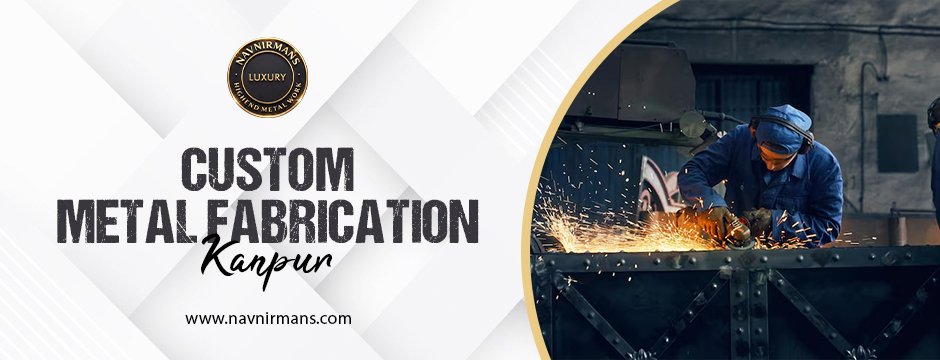
Common fabrication materials include carbon steel, stainless steel, aluminium, and other metal alloys. Steel may be selected for applications requiring strength and structural stability. Stainless steel can be useful where corrosion resistance and appearance are important. Aluminium may be preferred when lower weight and corrosion resistance are required. A suitable material must also work well with the planned fabrication processes. Welding, cutting, forming, machining, and finishing requirements can vary between metals.
Converting Designs Into Fabrication Plans
Complex metalwork often starts with detailed engineering drawings or digital designs. These designs provide the dimensions and specifications needed for production. Fabricators translate these requirements into practical manufacturing steps. The process may involve calculating cutting dimensions, determining bending points, identifying weld locations, and planning the order of operations.
Careful planning of the Designer Main Gates Kanpur helps reduce material waste and prevents avoidable production errors. It also allows potential design problems to be identified before the fabrication process begins. For highly detailed projects, digital design and measurement tools can help improve accuracy. These tools allow fabricators to work with precise dimensions and maintain consistency across multiple components.
Precision Cutting for Complex Components
Cutting is one of the most important stages in metal fabrication. Even a small dimensional error can affect the fit of a component during assembly. Depending on the material and project requirements, fabricators may use different cutting techniques. These can include laser cutting, plasma cutting, saw cutting, or other specialised methods.
Precision cutting helps create clean edges and accurate component dimensions. It also makes subsequent processes such as bending, welding, and assembly easier. For projects involving multiple identical components, consistent cutting is particularly important because each piece needs to match the required specifications.
Accurate Bending and Forming
Some metalwork requires sheets, plates, or sections to be formed into specific shapes. Bending must be carefully controlled because incorrect angles or dimensions can affect the final assembly. Fabricators consider factors such as material thickness, metal type, bend radius, and required angle before forming the component.
Accurate forming allows different parts to fit together correctly. It can also reduce the need for excessive adjustment during assembly. Complex projects may require multiple bends or different forming stages. Careful sequencing helps maintain dimensional accuracy throughout the process.
Skilled Welding and Joining
Welding is often central to Custom Metal Fabrication Kanpur. It joins individual components to create a complete structure or assembly. Different projects may require different welding techniques depending on the material, thickness, joint configuration, and application. The fabricator must select an appropriate process and ensure that the joint meets the project’s requirements.
Good welding involves more than creating a visible connection. Weld placement, penetration, alignment, heat control, and finishing can all affect the quality of the finished product. For complex structures, careful welding sequences can also help control distortion and maintain alignment.
Managing Tight Tolerances
Some industries require fabricated components to meet precise dimensional tolerances. This is particularly important when components must fit into machinery, assemblies, or existing structures. Fabricators manage tolerances through accurate measurement, controlled processes, and repeated inspection.
Measurements may be taken at different stages rather than waiting until the final product is complete. This approach helps identify deviations early. Corrective adjustments can then be made before additional work increases the cost or complexity of the correction.
Quality Inspection Throughout Production
Quality control is an important part of complex Sliding Gate Stainless Steel Kanpur. Inspection should not be limited to the finished product. Fabricators can inspect raw materials, cut components, formed sections, welded joints, dimensions, and surface finishes throughout production.
Depending on the project, inspection may include dimensional measurements, visual examination, weld inspection, and other testing methods. Maintaining quality checks throughout the process helps ensure that the final component meets the required specifications.
Surface Finishing and Protection
After fabrication, metal components may require additional finishing. The appropriate finish depends on the intended application, environment, and appearance requirements. Common options can include painting, powder coating, polishing, galvanising, or other protective treatments.
Finishing can improve corrosion resistance and provide the desired appearance. For components exposed to demanding environments, appropriate surface protection can also contribute to longer service life. The finishing process must be compatible with the base material and the intended application.
Fabricating Components for Different Industries
Custom metal fabrication can support a wide range of industries because components can be designed around specific requirements. Manufacturing companies may require machine parts, frames, brackets, supports, and industrial assemblies. Construction projects may need structural components, railings, platforms, and architectural metalwork.
Commercial establishments may require customised fixtures, furniture, partitions, or decorative metal elements. Infrastructure and engineering projects can also require fabricated components with specific dimensions and performance characteristics. The flexibility of custom fabrication makes it suitable for both functional and design-focused applications.
Handling Large and Small Production Requirements
Complex metalwork does not always mean large-scale production. Some projects require only one customised component, while others need hundreds or thousands of identical parts. Fabricators can plan their production approach based on quantity and project requirements. Prototypes or individual components may require a different workflow from repeat manufacturing.
For larger production runs, consistency becomes particularly important. The same dimensions, finishes, and quality standards need to be maintained across every component.
Why Planning Matters in Complex Fabrication
A well-planned fabrication project can reduce delays, material waste, rework, and unexpected costs. Clear communication between the client, designer, engineer, and fabricator is therefore essential. Providing accurate drawings, specifications, material requirements, quantities, and delivery expectations helps the fabrication team understand the project from the beginning.
When requirements change, communicating those changes early can also prevent unnecessary production issues.
Conclusion
Complex metalwork requires a combination of careful planning, suitable materials, precision manufacturing, skilled joining, accurate measurement, and consistent quality control. Whether the requirement involves a single customised component or a larger industrial order, a structured fabrication process helps turn detailed specifications into dependable finished products.
For businesses looking for custom metal fabrication Kanpur, Navnirmans offers fabrication solutions designed around specific project requirements, helping clients address customised metalwork needs with professional planning and execution. Explore us to learn more about our metal fabrication capabilities and services.