Metal fabrication plays an important role in modern construction, manufacturing, infrastructure, and industrial development. From structural steel components to custom metal enclosures, businesses often require products designed to meet specific dimensions, performance standards, and operational needs. A reliable metal fabricator in Kanpur helps transform raw metal into functional, durable, and precisely engineered products.
By combining technical expertise, modern machinery, and careful quality control, metal fabrication professionals deliver solutions for diverse applications. Whether a project involves a unique industrial component or a large structural assembly, custom fabrication ensures that every product aligns with the client’s requirements, budget, and intended use.
Evaluating Project Requirements
Every successful fabrication project begins with understanding the client’s needs. Before production starts, the fabricator evaluates the purpose of the product, its dimensions, operating environment, load requirements, and installation conditions. This initial assessment helps identify the appropriate material, fabrication techniques, and finishing processes. It also allows the fabricator to anticipate potential challenges before they affect production.
During this stage, clients may share technical drawings, sketches, reference samples, or detailed specifications. The fabricator reviews these inputs and recommends practical adjustments when necessary. By establishing specifications, timelines, and quality expectations early, both parties can reduce misunderstandings, avoid unnecessary rework, and maintain better control over project costs.
Selecting the Right Metal and Material Grade
Material selection directly affects the strength, durability, appearance, and performance of fabricated products. Therefore, an experienced fabricator considers more than just the initial material price. Mild steel is commonly used for frames, brackets, supports, and general engineering applications because of its strength and workability. Stainless steel is suitable for applications requiring corrosion resistance and easy cleaning. Aluminium may be preferred when lightweight construction is important.
The working environment also influences the decision. Components exposed to moisture, chemicals, heat, or outdoor conditions may require specific material grades and protective treatments. A knowledgeable metal fabricator in Kanpur helps clients compare these options and select materials that satisfy technical requirements without unnecessary expenditure. The right choice can improve service life, reduce maintenance needs, and support consistent product performance.
Creating Designs and Technical Drawings
Once the requirements and materials are established, the next step is translating the concept into an executable design. Technical drawings communicate essential information, including dimensions, tolerances, hole positions, material thickness, joining details, and assembly requirements. For more complicated components, computer-aided design (CAD) software can help create accurate digital models.
These drawings provide a reference for production and help identify potential design conflicts before fabrication begins. They can also support discussions about material usage, manufacturing feasibility, and installation requirements. For custom projects, even minor dimensional errors can create problems during assembly. Proper design validation therefore helps improve accuracy, minimise material waste, and ensure that the finished component fits the intended application.
Using Appropriate Cutting and Shaping Techniques
After design approval, the fabrication process moves into production. Cutting and shaping techniques are selected according to the material, thickness, component geometry, and required accuracy.
Common Custom Metal Fabrication Kanpur processes include:
- Shearing: Suitable for cutting sheet metal into specified dimensions.
- Laser cutting: Offers precise cutting for suitable materials and component designs.
- Plasma cutting: Useful for cutting electrically conductive metals, particularly thicker sections.
- Bending: Shapes sheet metal into angles, channels, and other required profiles.
- Rolling: Produces curved sections and cylindrical components.
Not every project requires every technique. A competent fabricator selects the most practical process based on production volume, complexity, tolerances, and available equipment.
Accurate cutting and shaping help ensure that individual components align correctly during assembly, improving both appearance and structural consistency.
Joining Components Through Welding and Assembly
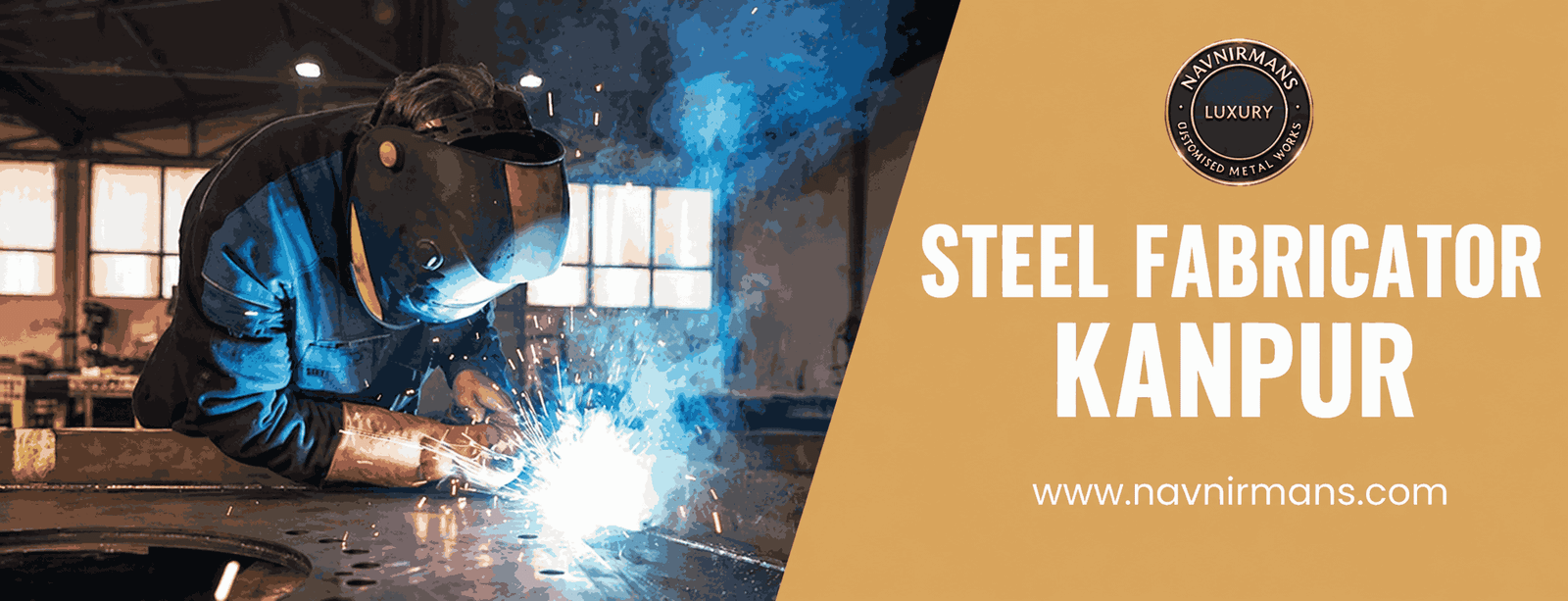
Many custom fabrication projects involve joining multiple metal pieces to create a complete structure or product. Welding is one of the most widely used methods, although bolting, riveting, and mechanical fastening may also be appropriate. The welding process depends on the material, joint design, thickness, accessibility, and strength requirements. Common options include MIG, TIG, and stick welding, each offering different advantages for particular applications.
Proper joint preparation, suitable welding parameters, and skilled workmanship are essential for reliable results. Poorly executed joints can introduce defects, dimensional distortion, or premature failure. After joining, fabricated components may undergo dimensional checks and visual inspections. Depending on the project’s importance and specifications, additional inspection or nondestructive testing may be necessary to verify weld integrity.
Applying Surface Finishing and Corrosion Protection
Finishing improves the appearance of fabricated products and can provide additional protection against environmental damage. Depending on the application, finishing processes may include grinding, deburring, polishing, painting, powder coating, or galvanising. Each serves a different purpose.
For instance, grinding removes sharp edges and improves surface uniformity. Polishing creates a smoother appearance, particularly for stainless steel products. Protective coatings help reduce corrosion when components are exposed to moisture or outdoor conditions. The correct finish depends on the material, operating environment, maintenance expectations, and desired appearance. Careful finishing also helps make components safer to handle and easier to install.
Maintaining Quality Control and Dimensional Accuracy
Quality control is essential throughout the fabrication process, rather than being limited to the final inspection. A systematic approach may include checking incoming materials, verifying measurements after cutting, inspecting welds, reviewing surface finishes, and confirming final dimensions against approved drawings. A Steel Fabricator Kanpur working on industrial or structural projects may also need to follow applicable engineering specifications, material requirements, safety standards, and client inspection procedures.
Documentation can provide additional assurance by recording material details, inspection results, and compliance information where required. Consistent quality checks help identify defects early, reduce production waste, and minimise the risk of installation delays. They also give clients greater confidence that the fabricated product will perform as intended.
Delivering Solutions for Different Industries
Custom metal fabrication supports a wide range of commercial and industrial activities. In Kanpur, businesses across manufacturing, construction, engineering, and infrastructure may require fabricated products suited to their operations.
Typical applications include:
- Construction: Structural supports, steel frameworks, brackets, and fabricated fittings.
- Manufacturing: Machine frames, equipment stands, guards, and production-line components.
- Warehousing: Metal racks, storage structures, and handling equipment.
- Industrial engineering: Custom enclosures, platforms, support assemblies, and specialised components.
- Commercial projects: Metal partitions, railings, gates, and other functional installations.
Each industry has different requirements for strength, accuracy, finish, and durability. Custom fabrication allows these requirements to guide the design and manufacturing process instead of forcing clients to adapt their operations around standard products.
Wrapping Up
Choosing the right Metal Fabricator in Kanpur can make a significant difference to product quality, operational efficiency, and project outcomes. From material selection and technical design to precision cutting, welding, finishing, and inspection, every stage contributes to the reliability of a custom metal product. Businesses should prioritise fabrication expertise, clear communication, appropriate manufacturing capabilities, and consistent quality checks when evaluating their options.
For businesses seeking dependable fabrication-related solutions, Navnirmans is worth exploring. Visit us to learn more about our offerings and determine whether they align with your project requirements. Reviewing the available services and discussing your specific needs can help you identify a suitable solution for your next metal fabrication project.
FAQs
- What services does a metal fabricator in Kanpur provide?
A metal fabricator in Kanpur provides metal cutting, bending, welding, assembly, and finishing services for customised industrial, commercial, and construction applications.
- Which materials are commonly used in custom metal fabrication?
Common materials include mild steel, stainless steel, and aluminium. The choice depends on strength requirements, corrosion resistance, application, and environmental conditions.
- How does custom metal fabrication benefit businesses?
Custom metal fabrication delivers components tailored to specific dimensions and operational needs, improving product fit, functionality, material utilisation, and overall project efficiency.
- How long does a metal fabrication project take?
Project timelines depend on design complexity, material availability, production volume, finishing requirements, and quality inspections. Clear specifications help improve scheduling accuracy.
- How can businesses choose the right metal fabricator in Kanpur?
Businesses should evaluate technical expertise, manufacturing capabilities, material quality, quality-control procedures, project timelines, and the fabricator’s ability to meet specific requirements.